Brief History of the Mandioca Plant of Brazil
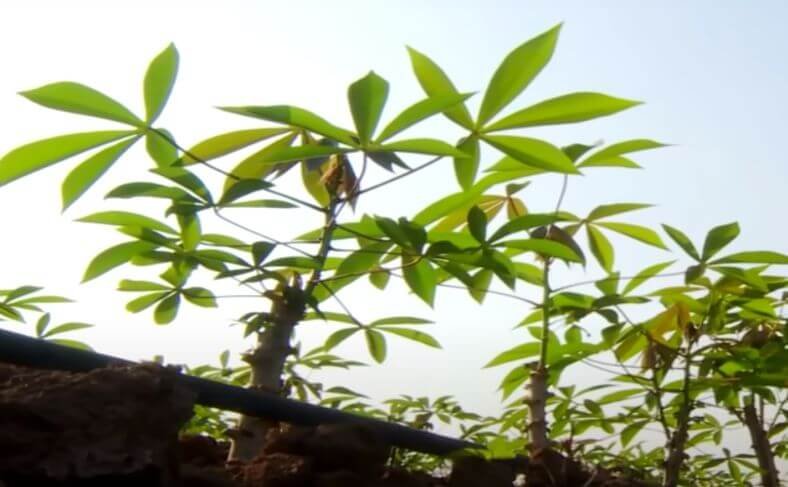
The history of the mandioca plant is rich as it is a life wire plant for many Indigenous communities in Brazil and Africa for food and medicine.
Cassava – manihot esculenta and its value chain
Your starting point for understanding how cassava is grown, managed, and sustained.
This section introduces the fundamentals of cassava cultivation, from crop identification and growth patterns to its global importance in food security and rural livelihoods.
You’ll learn about cassava varieties, nutritional value, and its role as a climate-resilient crop across tropical regions.
The guides also cover practical farming topics such as site preparation, stem selection, planting methods, spacing, weed control, pest management, and post-harvest handling.
Designed for new farmers, students, and agricultural practitioners, this category simplifies cassava farming into clear, practical steps.
It also highlights cassava’s role in the wider value chain, linking farm production to food processing, industry, and sustainable rural development.
The history of the mandioca plant is rich as it is a life wire plant for many Indigenous communities in Brazil and Africa for food and medicine.

Cassava research and development shape the future of food security, advancing farming, boosting yields, and transforming rural economies through science, innovation, and sustainability.
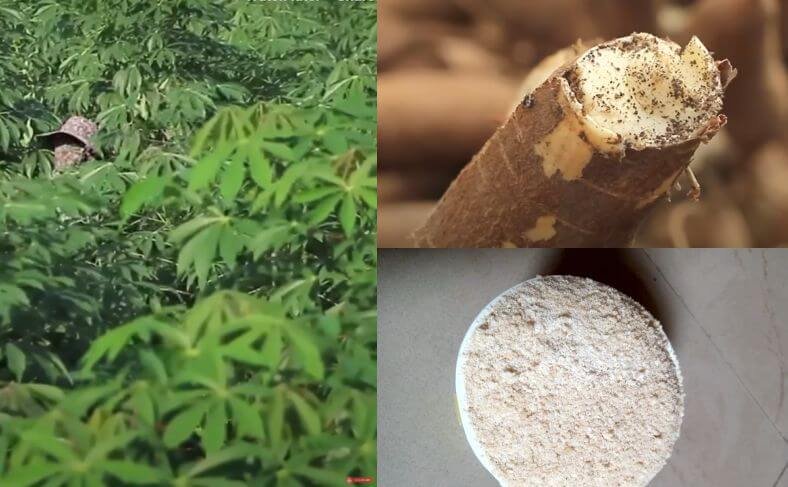
From yuca in Latin America to mandioca in Brazil, the many cassava names reflect the diversity in its preparation and consumption. Here are cassava other names around the world.