Cassava flour gnocchi delivers pillowy, gluten-free comfort, soaking up sauces beautifully while turning simple ingredients into a deeply satisfying, homemade meal.
Cassava flour gnocchi has earned a place on your plate if gluten-free cooking and plant-based meals matter in daily life.
You get soft, pillowy bites that feel comforting, familiar, and deeply satisfying without relying on wheat.
The mild taste lets tomato sauce, pesto, garlic oil, or creamy dairy-free sauces take center stage.
Each bite holds flavor well, creating balance instead of heaviness.
Cooking it at home feels approachable, forgiving, and rewarding, even on busy evenings.
This gluten-free gnocchi fits vegan meals, family dinners, and simple Italian comfort food cravings.
You gain control over ingredients, texture, and seasoning while enjoying food that feels nourishing, filling, and worth repeating.
Table of Contents
What is Cassava Flour Gnocchi?
Cassava flour gnocchi is a type of gnocchi made with cassava root flour instead of wheat or potatoes. It produces soft, chewy dumplings with a mild flavor that holds shape well and absorbs sauces easily, making it suitable for pan-frying, boiling, or serving with rich sauces.
Ingredients You’ll Need for Cassava Flour Gnocchi
To make cassava flour gnocchi that feels soft, chewy, and perfectly cooked, you need the right ingredients. Each one affects texture, flavor, and handling, so choosing carefully sets you up for success.
Cassava Flour
Cassava root flour forms the base of the dough and gives gnocchi its soft, chewy bite.
It absorbs liquid quickly, creating a smooth, pliable dough that holds shape while cooking.
Add it gradually as you mix to control stickiness and prevent dense, heavy dumplings.
This flour keeps flavors clean, letting sauces shine on every bite.
Olive Oil
Olive oil adds moisture and makes the dough easier to handle.
It prevents drying during shaping and cooking and helps sauces cling to ridges.
A small drizzle rounds out flavor and ensures each piece has a satisfying, silky texture without feeling greasy or heavy.
Salt
Salt balances flavors in the dough and keeps gnocchi from tasting flat.
Mixing it directly into the flour and liquid ensures even seasoning.
Properly salted gnocchi makes simple sauces taste brighter and fuller without extra adjustments later.
Water or Plant Milk
Liquid binds the cassava flour and forms soft, workable dough. Add slowly to avoid sticky dough.
Water keeps flavors neutral, while plant milk adds slight richness.
The right amount makes shaping easier and prevents pieces from breaking apart during cooking.
Related Posts
How to Make the Classic Cassava Pone
Recipes Made with Cassava Flour
Animal-Free Crepes with Grated Cassava
Recipe for Vegan Cassava Flour Cake
Complete Guide to Making Cassava Flour Gnocchi
Making cassava flour gnocchi involves more than just mixing and boiling.
Small details in preparation, shaping, and cooking can transform soft dumplings into tender, flavorful bites that hold sauce beautifully.
Select and Prepare Your Cassava
Choose fresh, firm cassava roots. Peel thoroughly and remove the woody core.
Boil until fully tender, then mash thoroughly to remove lumps. Allow the mash to cool slightly.
Warm cassava blends better with flour, but hot cassava can make the dough sticky.
Add Ingredients Gradually
When combining cassava mash with flour, water, or plant milk, salt, and olive oil, add the flour gradually.
This helps control stickiness and texture. Too much flour can make gnocchi dense, while too little makes shaping difficult.
Aim for a soft, pliable dough that holds together but is not sticky.
Rest the Dough
Let the dough rest for 10 to 15 minutes before shaping.
This allows moisture to distribute evenly, making it easier to roll ropes and cut pieces without tearing.
Resting also reduces cracking during cooking.
Shape the Gnocchi
Roll the dough into ropes about one inch thick. Cut into bite-sized pieces and press lightly with a fork for ridges.
If the dough sticks, dust lightly with cassava flour. Keep pieces uniform so they cook evenly.
Add Flavor Variations (Optional)
You can incorporate herbs, spices, or roasted garlic into the dough for subtle flavor boosts.
Finely chopped parsley, basil, or a pinch of black pepper can make your gnocchi taste more aromatic without overpowering the sauce.
Cook Carefully
Bring salted water to a gentle boil. Add gnocchi in batches to avoid crowding.
Cook until they float, and leave them in water for an extra 30 seconds for perfect tenderness.
Remove with a slotted spoon. Overcooking makes the interior gummy.
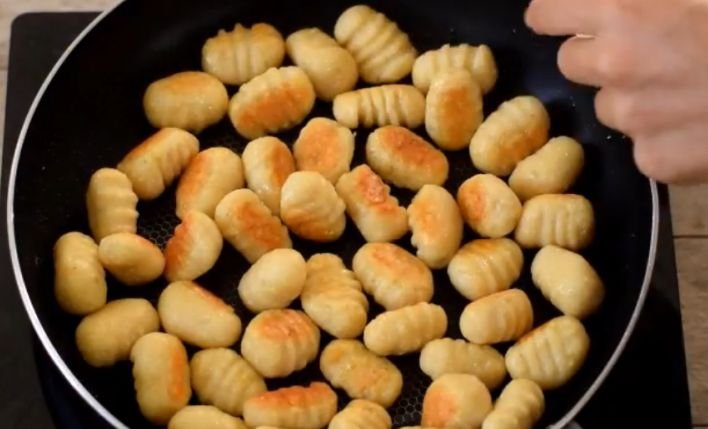
Pan-frying: After boiling, sauté gnocchi in olive oil until golden for a crispy outside and soft inside.
Baking: Toss cooked gnocchi with sauce and bake briefly to combine flavors and add texture.
Serving Suggestions
Serving cassava flour gnocchi gives you room to build flavor, texture, and balance on the plate.
The mild base welcomes sauces, vegetables, and simple cooking methods that turn each meal into something memorable.
Tomato Basil Sauce
Toss gnocchi in a fresh tomato basil sauce for a clean, balanced plate.
The soft dumplings soak up garlic, olive oil, and tomato juices without falling apart.
Finish with fresh basil and cracked pepper. This pairing keeps the dish light while still feeling filling and comforting.
Creamy Cashew Sauce
For a richer bite, coat gnocchi in blended cashew sauce made with garlic and plant milk.
The sauce clings well to ridges and crevices, creating a smooth finish.
Add mushrooms or spinach for contrast.
This option works well when you want depth without heavy ingredients.
Pesto with Greens
Mix gnocchi with basil pesto made using nuts and nutritional yeast.
The herb flavor cuts through the chewiness and keeps each bite lively.
Fold in sautéed kale or zucchini for color and texture. This approach works well for quick meals that still feel complete.
Pan-Fried Gnocchi Finish
After boiling, pan-fry gnocchi in olive oil until golden on the outside.
The crisp surface adds texture while the center stays tender.
Serve with simple sauces or roasted vegetables.
This method changes the experience without changing ingredients, making leftovers feel new again.
Tips for Perfect Cassava Gnocchi
Small adjustments make a big difference when working with cassava dough.
These tips help you control texture, shaping, and cooking, so your gnocchi turns out soft, structured, and reliable every time.
Use Finely Milled Cassava Flour
Choose finely milled cassava flour for smoother dough and better moisture control.
It blends evenly, prevents a grainy texture, and helps gnocchi cook through without cracking or collapsing.
Control Dough Moisture
Aim for dough that feels soft and pliable, not sticky. Add liquid slowly and correct stickiness with small amounts of flour to avoid heavy, dense gnocchi.
Flour Your Surface Lightly
Dust your work surface and hands with cassava flour before shaping.
This prevents sticking, keeps ropes neat, and helps each piece hold its shape during cooking.
Watch the Cooking Time
Boil gnocchi in salted water until they float, then remove them within minutes.
Overcooking causes mushy centers, so cook in small batches for better timing control.
Storage and Reheating
Storing cassava flour gnocchi the right way helps you keep its shape, texture, and bite.
With a few smart steps, leftovers stay just as enjoyable as the first serving.
Refrigerating Cooked Gnocchi
Store cooked gnocchi in an airtight container and let it cool fully before sealing.
Place parchment between layers to stop sticking.
Keep it refrigerated for up to three days so the texture stays firm and pieces do not clump or absorb fridge odors.
Freezing Uncooked Gnocchi
Freeze uncooked gnocchi on a flat tray in a single layer until solid. Transfer to freezer bags, press out air, then seal.
This method keeps the shape intact and prevents sticking, making it easy to cook straight from frozen later.
Reheating in a Pan
Reheat gnocchi in a skillet with a small amount of oil over medium heat. Turn gently so pieces warm evenly.
Add a splash of water if needed to prevent drying while keeping the outside lightly crisp.
Microwaving with Care
Microwave gnocchi only when needed and use low power. Cover with a damp towel and heat in short bursts.
This limits moisture loss and helps maintain a soft center without turning pieces rubbery or soggy.
Health Benefits of Cassava Flour Gnocchi
Eating cassava flour gnocchi supports digestion, steady energy, and daily comfort.
Each serving offers practical benefits that fit real meals, helping you feel satisfied without heaviness or post-meal discomfort.
Easier Digestion
Cassava flour gnocchi tends to feel gentler on your stomach.
The flour digests smoothly and avoids common triggers linked to bloating or irritation.
This makes meals feel lighter, especially if wheat-based foods usually leave you uncomfortable or sluggish after eating.
Fiber for Gut Support
Cassava flour contains fiber that helps food move through your system with ease.
Regular intake supports bowel movement, reduces constipation, and feeds healthy gut bacteria.
You stay fuller longer, which helps manage portions without feeling restricted or deprived during meals.
Steady Energy Release
The carbohydrates in cassava flour digest at a slower pace, giving you consistent energy instead of quick spikes.
This helps prevent crashes after eating and supports focus during busy days, workouts, or long stretches between meals without reaching for extra snacks.
Simple Ingredients, Better Control
Making gnocchi with cassava flour gives you control over what goes into your food.
Fewer processed ingredients mean less strain on digestion.
You can adjust salt, oil, and portion size while still enjoying a filling dish that fits everyday eating habits.
Conclusion
Cassava flour gnocchi brings soft, tender bites that absorb sauces beautifully while letting you control ingredients, texture, and flavor.
Making it at home is approachable, forgiving, and satisfying, whether for family dinners, quick weeknight meals, or special occasions.
Each serving delivers a balance of taste, chewiness, and energy, while the mild flavor works with a variety of sauces and vegetables.
With simple techniques and proper handling, you can enjoy gnocchi that feels fresh, comforting, and reliable every time.
Frequently Asked Questions
What makes cassava flour gnocchi different from traditional gnocchi?
Cassava flour gnocchi uses cassava root instead of wheat or potatoes. It produces soft, chewy dumplings that hold shape, absorb sauces, and cook evenly without gluten.
How should I store leftover gnocchi?
Cool gnocchi completely, layer with parchment, and place in an airtight container. Refrigerate for up to three days or freeze uncooked for longer storage.
Can I reheat cassava gnocchi without losing texture?
Yes. Sauté in a lightly oiled pan over medium heat, turning gently. Add a splash of water if needed. Microwave on low in short intervals.
Why does my cassava gnocchi sometimes turn dense?
Overmixing or adding too much flour can make gnocchi dense. Handle dough gently, keep it soft and pliable, and shape before cooking for tender results.
References
- Cassava Gnocchi Recipe
- Homemade Cassava Gnocchi (Gluten-Free)
- How To Make GNOCCHI: Gluten-Free And Vegan!

Chimeremeze Emeh is a writer and researcher passionate about Africa’s most transformative root crop—cassava. Through his work at cassavavaluechain.com, he explores the entire cassava industry, from cultivation and processing to its diverse applications in food, health, and industrial use.
He also writes for palmoilpalm.com, where he shares his extensive experience and deep-rooted knowledge of palm oil, covering red palm oil, palm kernel oil, and refined products. His work there reflects his lifelong connection to agriculture and his commitment to promoting sustainable value chains in Africa.
Driven by curiosity and purpose, Chimeremeze aims to shed light on how cassava continues to empower communities, strengthen food systems, and link traditional farming wisdom with modern innovation.