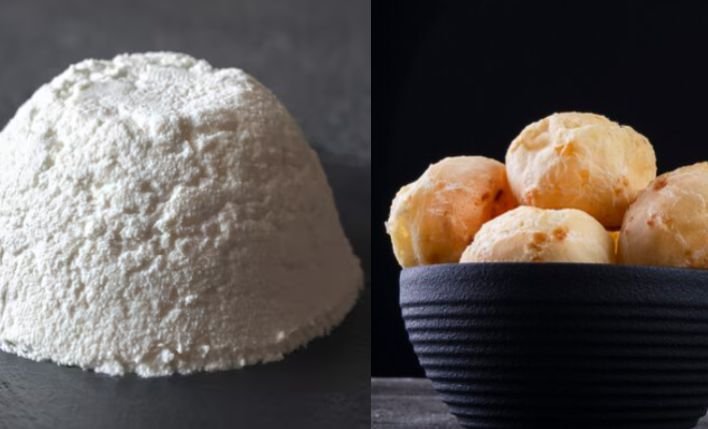
Uses of tapioca stretch from factories to kitchens, supporting food production and texture. See how it fits into daily life.
Tapioca, also known as cassava starch or tapioca flour, appears in more areas of daily life than you might notice, working quietly in food production and industrial processes.
In cooking, texture, thickness, and structure improve without altering the taste, helping sauces set, baked goods remain soft, and drinks feel more satisfying.
Processing plants rely on it for binding, coating, and moisture control.
Packaging, textiles, and other products benefit from its performance and stability.
Seeing where it shows up helps you understand why many industries continue to rely on it.
In this guide, we have detailed all the uses of tapioca, including culinary applications, industrial uses, and other important places where it is of importance.
Table of Contents
Food: How Tapioca Is Used in Cooking and Baking
Tapioca plays a wide role in cooking and baking, fitting easily into sweet and savory recipes.
In desserts, tapioca pearls add a chewy texture to puddings and other treats, making them more enjoyable to eat.
Tapioca flour is popular in gluten-free baking because it helps cakes, cookies, and breads stay soft, moist, and well-structured without wheat flour.
Savory dishes also rely on tapioca, especially in crepes, dumplings, and pancakes, where it improves binding and texture.
Many street foods use tapioca for its ability to crisp or hold fillings well.
Beverages highlight another use, with bubble tea being the most well-known example.
Pearls add body and texture to drinks, while tapioca can also thicken smoothies.
These uses show how tapioca supports different cooking needs. See more on the culinary uses of tapioca.
Recommended Posts
How to Use Tapioca for Thickening
Health Benefits of Tapioca Syrup
Does Tapioca Starch Have Gluten?
Industrial Uses of Tapioca
Tapioca supports many industrial processes thanks to its binding, thickening, and stabilizing properties.
In pharmaceuticals, it helps hold tablets together, improves stability, and supports controlled release, making medicines more consistent and easier to use.
Adhesive manufacturers rely on it to produce biodegradable glues used in packaging, woodworking, and paper products, reducing dependence on synthetic chemicals.
Paper and textile industries use tapioca to improve surface finish, strength, and print quality while keeping production safer and cleaner.
Packaging companies apply it in biodegradable materials designed to break down naturally and reduce waste.
Animal feed producers value tapioca for its high energy content, supporting livestock growth and feed efficiency.
Across these sectors, tapioca fits the growing demand for renewable, low-toxicity materials that perform well in large-scale production while aligning with sustainability goals.
Tapioca’s Role in Textiles and Packaging
Tapioca supports textile and packaging production by improving performance while meeting sustainability needs.
In textiles, starch treatments help fabrics feel smoother, hold shape, and absorb dyes more evenly, which improves color clarity and finish quality.
Printing processes also rely on it as a binder and thickener, allowing patterns to set well on fabric and remain durable after washing.
Different fabric types benefit from this support, including cotton and blended materials used in daily clothing and home textiles.
In packaging, manufacturers turn to tapioca for biodegradable solutions that reduce reliance on petroleum-based plastics.
These materials break down faster and help lower long-term waste.
Packaging made from renewable sources also aligns with the growing demand for cleaner production methods.
Across both industries, tapioca fits into large-scale manufacturing without disrupting workflows.
Its role supports consistent quality, safer materials, and more responsible production choices.
Tapioca Uses in Health
Tapioca contributes to health in several ways, supporting digestion, energy levels, and dietary needs.
As a carbohydrate source, it provides quick, easily digestible energy, making it suitable for people recovering from illness or needing gentle meals.
Its natural gluten-free profile supports those with celiac disease or gluten sensitivity, allowing safe inclusion in a variety of diets.
Tapioca is low in fat and protein, which can make it easier on the digestive system while still supplying calories for energy.
Some traditional diets use it to manage stomach discomfort or supplement nutrition when other grains are limited.
Its neutral taste and versatility allow it to be included in balanced meals without affecting flavor, texture, or overall dietary goals.
Regular consumption, when combined with nutrient-rich foods, can contribute to maintaining energy and supporting digestive health naturally. See a dedicated post on health benefits of tapioca.
Other Unique Uses of Tapioca
Tapioca appears in surprising places beyond your kitchen, shaping products you use every day.
In cosmetics, it improves creams, powders, and lotions, giving them a smooth texture while remaining light on the skin.
Sensitive skin benefits from its hypoallergenic properties, making it a safe choice in personal care products.
You may also encounter it in DIY projects, where it acts as a non-toxic, biodegradable glue for crafts like papier-mache or decorations.
Researchers are testing its role in creating eco-friendly materials and bioplastics, offering alternatives to conventional plastics.
From household items to sustainable innovations, tapioca quietly supports safer, cleaner, and more practical solutions.
Its presence touches industries ranging from beauty to green manufacturing, showing how one ingredient can contribute to everyday convenience and environmentally conscious choices.
Conclusion
Tapioca plays a subtle yet vital role across cooking, baking, industry, and sustainability efforts.
From giving baked goods structure to supporting biodegradable packaging and industrial processes, its applications are wide-ranging.
Daily life often benefits from tapioca without notice, whether in food, textiles, or household products.
Recognizing its uses highlights why it remains a trusted ingredient for chefs, manufacturers, and innovators alike, providing performance, texture, and eco-friendly solutions that fit seamlessly into both culinary and industrial contexts.
Frequently Asked Questions
What are the main culinary uses of tapioca?
Tapioca adds texture, thickness, and structure to desserts, baked goods, pancakes, dumplings, and beverages like bubble tea, while remaining flavor-neutral and gluten-free.
How is tapioca used in industrial applications?
Industries use tapioca for binding, thickening, and stabilizing products, including pharmaceuticals, adhesives, paper, textiles, and biodegradable packaging materials.
Can tapioca improve textiles and packaging?
Yes, tapioca starch enhances fabric texture, dye absorption, and print durability while enabling biodegradable, eco-friendly packaging that reduces reliance on plastics.
Are there other unique uses for tapioca?
Beyond food and industry, tapioca appears in cosmetics, DIY crafts, and research into bioplastics, providing safe, natural, and environmentally friendly solutions.
References

Chimeremeze Emeh is a writer and researcher passionate about Africa’s most transformative root crop—cassava. Through his work at cassavavaluechain.com, he explores the entire cassava industry, from cultivation and processing to its diverse applications in food, health, and industrial use.
He also writes for palmoilpalm.com, where he shares his extensive experience and deep-rooted knowledge of palm oil, covering red palm oil, palm kernel oil, and refined products. His work there reflects his lifelong connection to agriculture and his commitment to promoting sustainable value chains in Africa.
Driven by curiosity and purpose, Chimeremeze aims to shed light on how cassava continues to empower communities, strengthen food systems, and link traditional farming wisdom with modern innovation.