Last updated on May 15th, 2026 at 10:50 am
Vegan cassava flour pizza crust brings crispy edges and soft, chewy centers, perfect for homemade pizza loaded with fresh, flavorful toppings.
In recent years, you may have noticed more people turning to plant-based and gluten-free meals, and pizza is no exception.
With vegan cassava flour pizza crust, you get a dough that is soft, pliable, and easy to work with while holding toppings perfectly.
The subtle flavor of cassava lets sauces, vegetables, and plant-based cheeses shine without overpowering them.
You can roll it thin for a crisp bite or keep it slightly thick for a chewy, comforting base.
Making pizza at home with cassava flour lets you control ingredients, seasoning, and texture, creating a meal that feels wholesome, satisfying, and ready to please anyone at the table.
Table of Contents
What is Vegan Cassava Flour Pizza Crust?
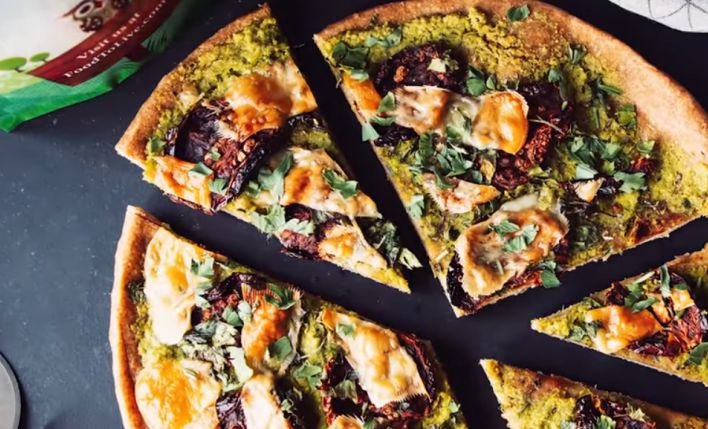
Vegan cassava flour pizza crust is a plant-based, gluten-free dough made from cassava root flour, water, and olive oil. It forms a round, slightly thick disc with a pale, creamy color and smooth surface.
The crust is soft, slightly chewy, and holds toppings without tearing.
Health Benefits of Vegan Cassava Flour Pizza Crust
Vegan cassava flour pizza crust provides several health benefits, especially for those with dietary restrictions.
Being naturally gluten-free, it suits individuals with celiac disease, gluten sensitivity, or wheat allergies, allowing more people to enjoy pizza without digestive discomfort.
Its plant-based, cholesterol-free ingredients make it a heart-friendly choice, supporting overall wellness while providing sustained energy from cassava’s carbohydrate content.
Unlike conventional dough, flour from cassava root is often less processed, reducing additives and promoting easier digestion.
This makes it suitable for people with sensitive stomachs or digestive issues.
By combining digestibility, allergy-friendly properties, and plant-based nutrition, vegan cassava flour pizza crust delivers a wholesome alternative to traditional pizza dough.
It offers a balanced, enjoyable base that accommodates a variety of toppings while keeping meals lighter, healthier, and accessible to more diets.
Also Read
How to Make Plant-Based Cassava Banana Bread
Recipe for Animal-Free Grated Cassava Cake
Recipe for Vegan Crepes from Grated Cassava
Ingredients for Vegan Cassava Flour Pizza Crust
Getting a perfect vegan cassava flour pizza crust starts with choosing ingredients that work together for texture, flavor, and structure.
Each element influences how your dough feels, bakes, and holds toppings, so paying attention here makes a big difference.
Cassava Flour
Cassava flour forms the base of your pizza crust, giving it a soft yet slightly chewy texture.
Its neutral flavor lets sauces and toppings shine while absorbing moisture evenly, creating a dough that is easy to roll and sturdy enough for vegetables, plant-based cheese, or herbs without falling apart.
Plant-Based Milk or Water
Hydration is key to workable dough. Almond, oat, or coconut milk adds subtle flavor and keeps the crust pliable, while water gives a neutral base.
Adjusting the liquid gradually ensures your dough is soft, not sticky.
Olive Oil or Plant-Based Oils
Oils add moisture and improve browning. Extra virgin olive oil, avocado, or coconut oil helps the crust crisp in the oven while enhancing flavor.
It also makes rolling and shaping smoother.
Leavening Agents
Baking powder or yeast helps your crust rise lightly. Baking powder works fast, while yeast adds flavor if you allow fermentation.
Using the right amount ensures a tender yet firm base.
Seasonings
Optional seasonings like garlic powder, dried oregano, basil, or a pinch of salt can bring depth to the dough.
These simple additions make the crust aromatic and flavorful, even before toppings are added.
Step-by-Step Recipe Instructions
Making a vegan cassava flour pizza crust at home is simple if you follow each step carefully.
This guide walks you through mixing, kneading, shaping, and baking so your crust turns out tender, sturdy, and ready to hold your favorite toppings.
Mix the Dry Ingredients
Start by combining cassava flour, baking powder, and salt in a medium bowl.
Whisk thoroughly to distribute the leavening evenly.
This ensures the dough rises correctly and the flavor stays balanced across the crust.
Combine Wet Ingredients
In a separate bowl, mix warm water with olive oil. Gradually pour this into the dry mix while stirring.
The goal is a smooth dough without lumps, which sets the foundation for a pliable and workable crust.
Knead the Dough
Transfer the dough to a lightly floured surface and knead for about five minutes.
Fold it inwards and press repeatedly. Add small amounts of cassava flour if sticky.
Proper kneading gives the crust structure and elasticity, making it easy to roll and shape.
Shape the Crust
Divide the dough if making multiple pizzas. Roll each portion evenly into a circle, pressing from the center outward.
Lightly dust with cassava flour to prevent sticking. Place the dough in a pizza pan, fitting it neatly along the edges.
Pre-Bake the Crust
Preheat the oven to 400°F (200°C). Bake the crust for about 10 minutes before adding toppings.
This sets the structure, ensuring it stays crisp and supports your sauces, vegetables, or plant-based cheese without sagging.
Ready for Toppings
Once pre-baked, your cassava flour pizza crust is ready for any toppings.
Add your sauce, vegetables, or vegan cheese, then finish baking to create a crisp, flavorful pizza that holds together perfectly.
Tips for the Perfect Vegan Cassava Flour Pizza Crust
Getting a vegan cassava flour pizza crust to turn out just right takes attention to detail.
With a few practical tips, you can achieve a tender, chewy, and crisp crust that holds toppings beautifully.
Hydrate the Cassava Flour Properly
Adding the right amount of warm water helps the cassava flour absorb moisture.
This creates a pliable dough that rolls easily without cracking or drying during baking.
Use a Plant-Based Binder
Mix ground flaxseeds or chia seeds with water to mimic the elasticity eggs provide.
This improves texture, holds moisture, and keeps the crust soft while baking.
Knead Gently but Thoroughly
Kneading activates the binding properties without making the dough tough.
Fold and press slowly, ensuring smooth, pliable dough that’s easy to shape and handle.
Roll with Parchment Paper
Place the dough between sheets of parchment paper and dust lightly with cassava flour.
This prevents sticking, allows smooth shaping, and keeps the crust even during baking.
Bake at a High Temperature
Cooking the crust at a higher heat creates a crispy bottom while maintaining a chewy interior.
This balances texture and keeps toppings from making it soggy.
Flavor Variations and Toppings
Vegan cassava flour pizza crust gives you a blank canvas for endless flavor combinations.
With the right toppings, you can create meals that feel indulgent, colorful, and satisfying every time.
Classic Tomato and Vegan Cheese
Layer a smooth tomato sauce and your favorite vegan cheese for a timeless pizza base.
Add fresh basil, oregano, or chili flakes to boost aroma and flavor.
This combination lets the crust shine while keeping preparation simple and balanced.
Veggie-Packed Creations
Load your pizza with mushrooms, bell peppers, spinach, or zucchini.
Roasting vegetables before adding them intensifies taste, creates contrast with the soft crust, and adds nutrients to every slice.
Herb-Infused Crust
Mix garlic powder, rosemary, or thyme directly into the dough before baking.
This creates a savory foundation that enhances any topping, giving each bite extra depth and aroma.
Sweet Dessert Pizzas
Top the crust with bananas, berries, or peaches and a layer of almond or cashew cream.
Finish with maple syrup or cinnamon for a sweet, indulgent alternative to savory pizza.
Serving Suggestions
Serving vegan cassava flour pizza crust goes beyond baking.
How you slice, plate, and pair your pizza can turn a simple meal into a flavorful, visually appealing, and memorable experience for everyone at the table.
Slice While Hot
Use a sharp pizza cutter to slice the pizza immediately after baking.
Cutting while hot gives clean edges, keeps the crust intact, and makes each slice easier to serve without tearing or sticking.
Add Fresh Herbs
Garnish each slice with fresh herbs like basil, arugula, or microgreens.
This adds vibrant color, a pop of freshness, and an extra layer of flavor that enhances the overall dining experience.
Pair with Dipping Sauces
Serve your pizza with complementary dips such as rich marinara, creamy vegan pesto, or garlic-infused olive oil.
These add flavor depth and make each bite more indulgent and satisfying.
Fresh and Light Sides
Balance your meal with a simple side salad of mixed greens, cherry tomatoes, cucumbers, and a light vinaigrette.
The freshness contrasts with the warm pizza and keeps the meal light and enjoyable.
Family-Friendly Meal Prep
Prepare cassava flour pizza crusts in advance and store in the fridge or freezer.
This allows everyone to customize toppings together, creating a fun, interactive pizza night for the whole family.
Conclusion
Vegan cassava flour pizza crust gives you a soft, chewy interior with crispy edges, perfect for creating homemade pizzas full of fresh, flavorful toppings.
It lets sauces, vegetables, and plant-based cheeses shine while holding together effortlessly.
Making it at home gives you control over ingredients, texture, and seasoning, so every bite feels wholesome and satisfying.
Whether for a quick weeknight meal, a family pizza night, or entertaining friends, this gluten-free, plant-based crust makes every pizza delicious, accessible, and memorable.
Frequently Asked Questions
Can I make thin or thick vegan cassava pizza crust?
Yes, adjusting dough thickness allows for thin, crispy crusts or thick, chewy bases. Customize it to hold toppings and suit personal preference.
Can cassava flour be mixed with other flours?
Absolutely, blend cassava flour with almond, coconut, or rice flour. This improves texture and flavor while keeping the dough pliable and sturdy.
How long does baked cassava pizza crust last?
Store in an airtight container for 2 to 3 days at room temperature. Refrigeration extends freshness up to a week.
Can I reheat vegan cassava pizza crust?
Yes, reheating in the oven or skillet restores crispness and makes leftovers taste freshly baked.
Will mixing flours affect the crust texture?
Yes, different gluten-free flours change absorption and chewiness. Adjust ratios carefully for a balanced, sturdy, and flavorful pizza base.
References
- Easy Homemade Cassava Flour Pizza Crust – Healthy Blog
- Cassava Flour Pizza Crust | GLUTEN-FREE PIZZA RECIPE

Chimeremeze Emeh is a tropical crop farmer and chemical engineer from Ntigha, Isiala Ngwa North LGA, Abia State, Eastern Nigeria, specializing in cassava and palm oil, with over 30 years of hands-on experience growing, harvesting, and processing cassava. He grows TMS series, TME 419, and local traditional varieties on his own farms and operates a small-scale cassava flour and starch production business through Cassava Pathway, which he founded as a CAMA-registered agribusiness in 2024. He is also the founder of Palm Oil Pathway, where he applies the same tropical farming expertise. His farms are located in Ntigha, Abia State.