Tapioca vs Cornstarch: Which is Better for Your Need?

Tapioca vs Cornstarch: Which is better for thickening, baking, and frying? Discover their differences in texture, clarity, and heat stability to choose the best starch for your recipe!

Cassava – manihot esculenta and its value chain
Tapioca vs Cornstarch: Which is better for thickening, baking, and frying? Discover their differences in texture, clarity, and heat stability to choose the best starch for your recipe!

Tapioca vs cassava: How are they different? Cassava is a root vegetable, while tapioca is the starch extracted from it. Learn their differences, uses, and how each fits into cooking and nutrition.
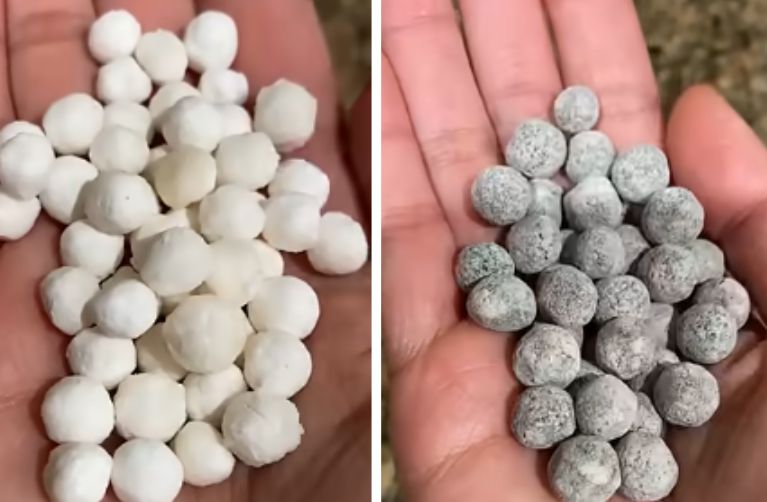
Tapioca vs Boba, how are they different? These two aren’t the same! Tapioca is a starch, while boba refers to the chewy pearls in bubble tea. Discover their differences, uses, and which one suits your needs.

What are tapioca balls? These balls add a chewy bite to bubble tea and desserts, but are they the same as tapioca pearls?

Struggling with tapioca balls turning hard, mushy, or clumping together? Learn troubleshooting tapioca balls to know why it happens and how to fix it with simple cooking, cooling, and storage techniques for a perfect chewy texture every time.
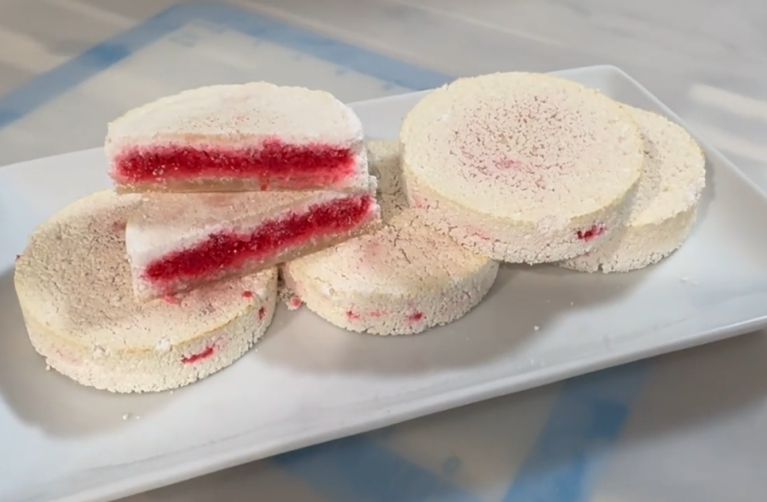
Guyana cassava bread is crispy, natural, and packed with tradition. Discover how it’s made, the best ways to enjoy it, and where to find it.

Crunchy, traditional, and packed with history, learn how to make Dominican cassava bread, the best ways to enjoy it, and why it remains a staple in Dominican kitchens.
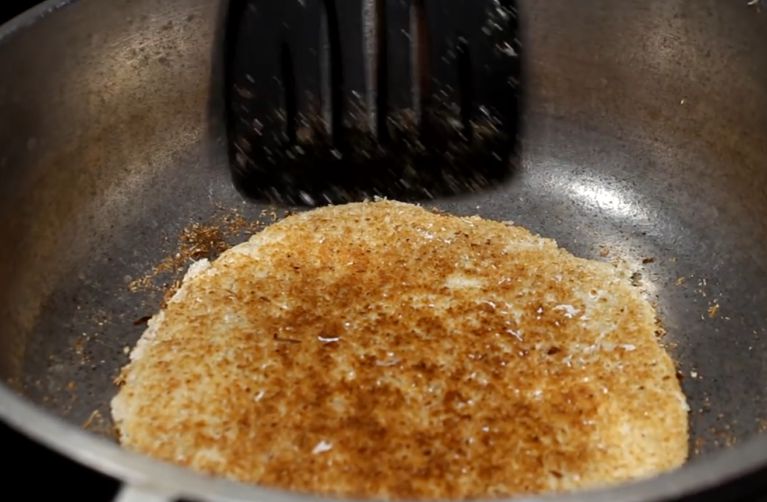
Cassava bread recipe, Caribbean and South America, brings together traditional flavors and modern twists, offering you a delicious gluten-free option for any meal.

Haitian cassava bread isn’t just food, it’s history on a plate. Made from simple ingredients, this traditional staple connects generations while adapting to modern tastes and lifestyles.
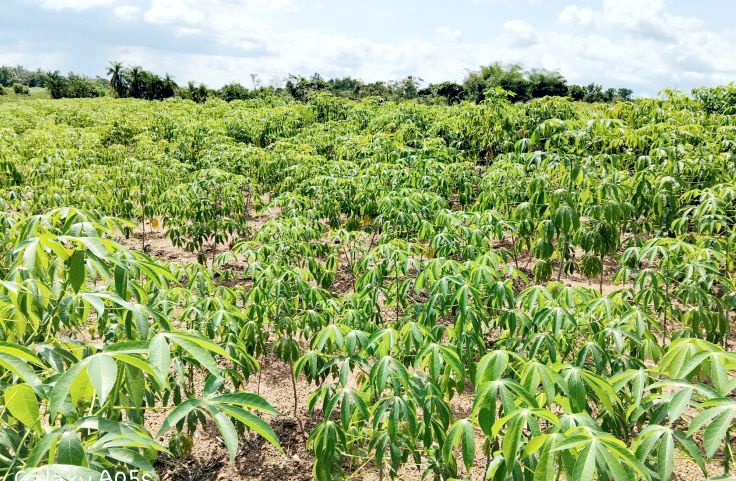
Cassava the supercrop doesn’t just feed millions, it helps restore soil, cut carbon emissions, and reduce plastic waste. Here are the environmental benefits of cassava.