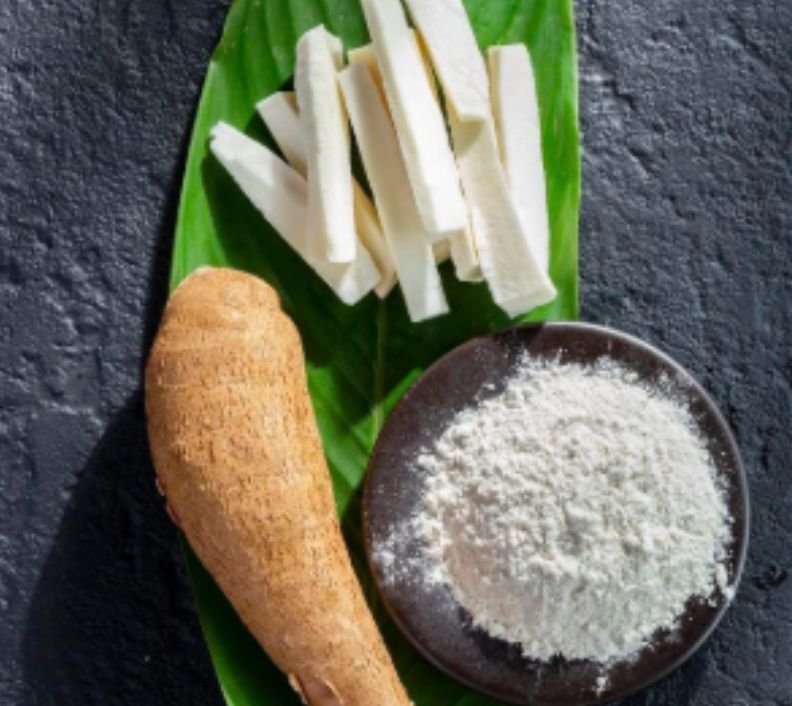
Tapioca brings history, culture, and creativity together, guiding you through its origins, varieties, everyday uses, and recipes that inspire simple, flavorful meals.
It gives you a chance to reconnect with a food that has shaped kitchens for centuries.
You see it in pearls, flour, flakes, and even chewy boba, yet it all starts from the cassava plant grown in places like Nigeria, Brazil, and Venezuela.
As you learn about its journey from a simple tuber to a global ingredient, you begin to appreciate how many cultures have relied on it for energy and comfort.
You can work with it in desserts, drinks, snacks, soups, or baked goods, and each form behaves in its own way.
Its mild taste, smooth texture, gluten-free nature, and steady carbs make it a helpful ingredient when you want simple and clean food choices.
This guide helps you understand how tapioca fits into your cooking and daily life.
What is Tapioca?
Tapioca is a starchy substance extracted from the cassava root, commonly used in cooking and baking. It appears as flour, pearls, grits, chips, or syrup and serves as a thickener, sweetener, or texture enhancer.
It is naturally gluten-free, versatile, and widely used in desserts, beverages, and snacks.

Origin and History
Tapioca’s journey begins in South America, where indigenous people first cultivated cassava, extracting starch to create tapioca.
As European colonization expanded, cassava and its byproducts, including tapioca, spread to other parts of the world.
In the 16th century, Portuguese explorers introduced cassava to Africa and Asia, where it adapted to various climates and agricultural practices.
In Africa, it became a staple food, commonly eaten as fufu or flour, while in Southeast Asia, it transformed into dishes like bubble tea, gaining worldwide popularity.
Over time, regional variations emerged, with Brazil embracing it in street food, serving crispy crepes with diverse fillings.
In Taiwan, the pearls became famous as a key ingredient in bubble tea.
Today, this cassava powder’s gluten-free nature has made it an essential ingredient in many cuisines.
From its historical roots to its modern resurgence, it showcases how a simple plant has evolved across cultures, blending traditional uses with contemporary culinary trends and reflecting global culinary innovation.
Varieties
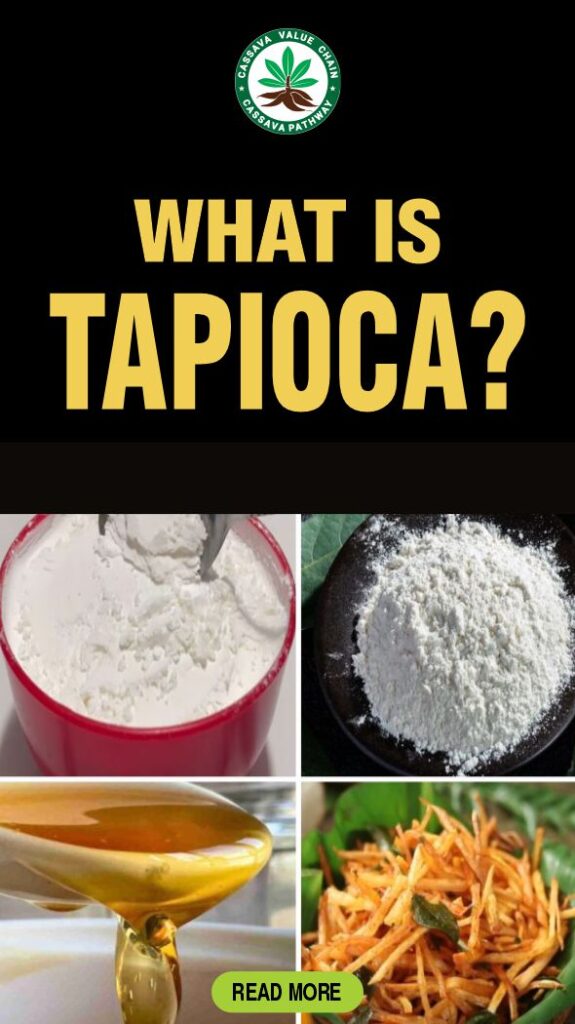
Tapioca comes in various forms, each suited for different culinary uses.
Knowing the types helps you choose the right one for baking, desserts, drinks, or snacks, ensuring the best textures and results.
Tapioca Starch or Flour is a fine, gluten-free powder used to thicken sauces, soups, and desserts or as a wheat flour substitute in baking.
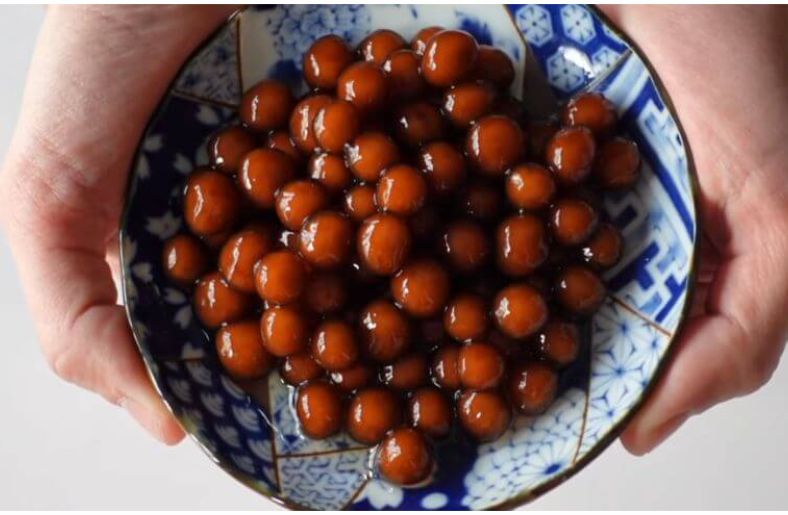
Tapioca Pearls are chewy spheres used in bubble tea, puddings, and traditional desserts, offering fun texture and versatility in sweet or savory dishes.
Tapioca Chips are thin, fried slices of cassava root, creating crunchy, flavorful snacks.
Tapioca Grits are coarse and creamy, perfect for porridge, puddings, or breakfast dishes.
Modified Tapioca Starch stabilizes and thickens sauces, soups, and fillings.
Tapioca Syrup is a natural sweetener suitable for baking and beverages.
For a detailed guide on using and storing each type, check our full post here.
What is Tapioca Made of?
Tapioca is primarily composed of starch, which makes up nearly all of its content.
It contains carbohydrates, which provide a high-energy source, making it a popular ingredient in many dishes.
It is low in protein and fat, and it has a negligible amount of fiber. It’s also gluten-free, making it a suitable choice for people with gluten sensitivities or celiac disease.
While this group of cassava products doesn’t have significant amounts of vitamins or minerals, it does contain small amounts of iron and calcium.
Since it is mainly starch, it lacks the micronutrients that other whole foods might offer, but it serves as a reliable source of energy in various culinary applications.
Here is a table outlining the key constituents of tapioca:
| Constituent | Amount (per 100g) |
|---|---|
| Carbohydrates | 88g |
| Starch | ~80-85g (of total carbs) |
| Protein | 0g |
| Fat | 0.2g |
| Fiber | 0.9g |
| Iron | 0.3mg |
| Calcium | 20mg |
| Calories | 358 kcal |
| Water | 10g |
It’s low in micronutrients, but it can still contribute small amounts of iron and calcium.
Related Posts
How to Make Tapioca Starch and Flour
How to Make Boba Pearls without Tapioca Starch
Where to Buy Altered Tapioca Starch Online
What Nutrients Does Tapioca Have?
Tapioca is mostly composed of carbohydrates, making it an energy-rich but low-calorie ingredient.
A serving of pearls provides around 100 calories, primarily from starch, including resistant starch that supports digestion and helps maintain steady blood sugar levels.
If you are avoiding gluten, this cassava product is a safe and reliable option, perfect for baking, thickening sauces, or creating gluten-free snacks and desserts.
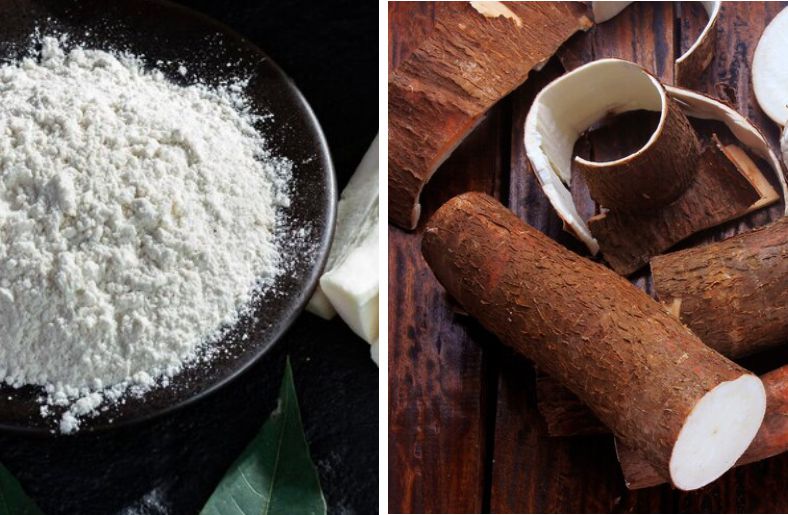
While it is low in protein, vitamins, and minerals, its resistant starch can promote gut health and increase feelings of fullness, which may support weight management.
To enjoy it healthfully, pair it with nutrient-dense ingredients in your meals.
Learn more about its nutrients and health benefits in our detailed post on the nutritional profile of tapioca.
Culinary Uses
Tapioca is valued for its texture and ability to absorb flavors, making it a popular choice in both sweet and savory dishes.
In Nigeria, the Delta people make tapioca starch with which they eat soups.
You can enjoy it in desserts like pudding, where chewy pearls contrast with creamy coconut or vanilla flavors.
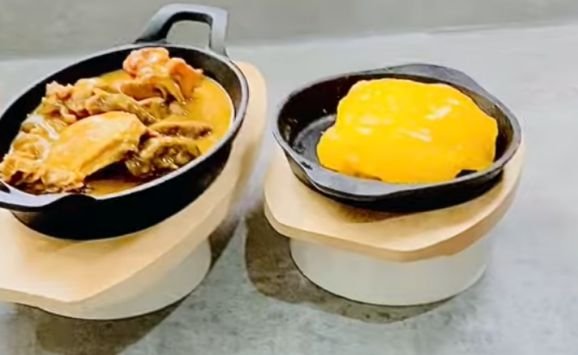
In savory cooking, the flour or starch works as a thickener in soups, sauces, and dumplings, adding a smooth texture and shine.
It is also used in regional dishes such as Brazilian tapioca crepes and Asian noodles, offering a gluten-free alternative to wheat.
In bubble tea, chewy pearls add a playful texture that pairs beautifully with milk, tea, or fruit juice.
Discover more about how to cook and enjoy tapioca in our detailed post on Culinary Uses of Tapioca
Industrial and Non-Culinary Uses
It is not just a food ingredient; it plays important roles in several industries.
In pharmaceuticals, the starch works as a binder and stabilizer in tablets and capsules, helping maintain dosage accuracy.
In adhesives, it offers a biodegradable and non-toxic alternative to synthetic products.
The textile industry uses the starch to improve fabric smoothness, brightness, and dye quality, while its application in biodegradable packaging provides an eco-friendly alternative to plastics.
This cassava product is also included in animal feed as a high-energy, easily digestible carbohydrate source for livestock.
These non-culinary uses show how it contributes to sustainable practices and industrial efficiency.
Learn more about its diverse applications in our full post on Industrial and Non-Culinary Uses of Tapioca.
Processing and Production Methods
The journey starts its journey from carefully harvested cassava roots, which are washed, peeled, and grated.
The grated cassava is pressed to remove liquid containing toxins, and the remaining pulp, rich in starch, is settled, rinsed, and dried to create the fine powder used in cooking.
Modern processing techniques, like extrusion and hydrothermal treatment, streamline production and improve quality.
For the pearls, starch is moistened, shaped into small beads, and cooked to achieve the chewy texture found in desserts and bubble tea. See how to make the pearls.
Strict quality control ensures safety and consistency throughout.
Understanding these production methods shows how traditional practices and modern innovations work together to deliver the tapioca products you enjoy every day.
Learn more about the full process in our detailed post on Tapioca Processing and Production Methods.
Health Benefits and Concerns
It offers several health benefits, particularly for digestion.
Its gluten-free nature makes it suitable for people with celiac disease or gluten sensitivity.
The fiber in it can support regular bowel movements and overall gut health.
It is also low in calories and can promote a feeling of fullness, which may help with weight management.
Because it is easily digestible, it is often recommended for people recovering from gastrointestinal issues.
However, caution is needed since cassava contains compounds that can be toxic if not processed properly, and rare allergic reactions may occur.
To enjoy it safely and benefit from its properties, it is best to combine it with other nutrient-rich foods.
Read more in our full post on Health Benefits and Concerns of Tapioca.
Health Considerations
Tapioca is a popular addition to drinks, desserts, and snacks, but there are a few health points to keep in mind.
It provides quick energy because of its high carbohydrate content, yet it contains very little protein and fiber.
Relying on it heavily can leave your diet unbalanced, so pairing it with protein and fiber-rich foods is wise.
Its high glycemic index may cause fast blood sugar spikes, which matters if you manage diabetes or insulin sensitivity.
Commercial products can include additives such as preservatives, thickeners, or artificial flavorings, which might trigger sensitivities.
Choosing natural or fortified options and controlling portion sizes helps you enjoy it safely while keeping your meals nutritious.
Culinary Products of Tapioca
Tapioca is used in desserts, beverages, and snacks.
Classic pudding, made by simmering pearls in milk and sugar, offers a creamy texture that you can enhance with fruits or spices.
The pearls are also the highlight of boba tea, where chewy pearls blend with milk or fruit-flavored tea for a fun, textured drink.
Beyond sweets, the flour or starch works as a gluten-free thickener for soups, sauces, and gravies, creating a smooth consistency without affecting flavor.
You can also make crispy chips for a tasty snack or use tapioca in pancakes, dumplings, and fritters.
Explore creative ways to use this adaptable ingredient in our detailed post on Tapioca Recipes.
How Tapioca is Made
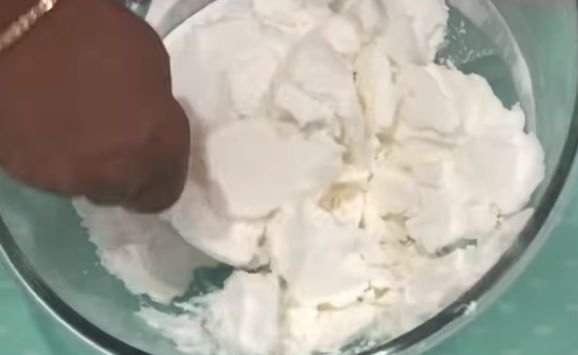
As we have mentioned several times, tapioca is made by refining starch from the cassava root, a tuber grown in tropical regions.
After harvesting, the roots are cleaned, peeled, and washed to remove dirt and toxins.
The white flesh is then grated into a pulp to release the starch.
This pulp is mixed with water, strained, and the liquid is allowed to settle so the starch can separate and sink.
Once the excess water is drained, the purified starch is dried.
From there, it can be processed into different forms like pearls, flour, flakes, or sticks.
Each type serves a specific purpose in cooking and baking.
This careful refining process ensures that the final product is safe to eat and suitable for various recipes.
Buying, Storing, and Choosing the Right Tapioca
When you want to buy this cassava product, it helps to know the different types available and how each is used in cooking.
Understanding pearls, flakes, and flour lets you pick the right product for your recipes while ensuring quality and freshness.
Tapioca Pearls, Flour, and Flakes
Pearls are ideal for bubble tea or puddings, offering a chewy texture.
Flour, also called tapioca starch, works as a gluten-free thickener in sauces, soups, and baked goods.
Flakes are great for puddings or porridge. Knowing the differences helps you choose the right form for your dish.
Checking Labels and Quality
When selecting, read the ingredient list carefully. Look for products made from 100 percent tapioca with no additives, preservatives, or artificial flavors.
Certifications like organic or non-GMO indicate quality and responsible sourcing.
Check allergen information if you have dietary restrictions.
Choosing high-quality products ensures the best taste and health benefits in your cooking.
Proper Storage Practices
Store unused tapioca in a cool, dry place away from sunlight.
Use airtight containers to protect it from moisture, which can cause clumping or spoilage.
For longer storage, the flour or flakes can be refrigerated or frozen, but the pearls may change texture if frozen.
Correct storage helps maintain freshness, texture, and flavor for all types of tapioca.
Recognizing Freshness and Spoilage
Fresh tapioca should have a neutral smell, consistent size, and uniform color.
Avoid products with off odors, discoloration, or unusual textures, as these indicate spoilage.
Using spoiled tapioca can affect taste and may pose health risks.
Checking your ingredients before cooking ensures safe and high-quality results.
Where to Buy
You can find it at grocery stores, specialty markets, or online.
Some stores carry local or imported varieties, giving you options depending on your needs.
Online platforms also allow you to compare brands and check certifications, making it easy to select a product that fits your culinary and dietary preferences.
Tapioca in Global Cuisines
Tapioca, taken from the cassava root, has traveled far from South America, appearing in kitchens across continents.
You can find it in traditional dishes, street foods, desserts, and drinks, each culture adapting it to its flavors and cooking style.
In African Cooking
In many African countries, cassava is a staple carbohydrate. You will often see it turned into fufu or cassava flour.
Fufu is a soft, dough-like food served with soups or stews. It provides a filling, energy-rich base that complements spicy or savory dishes.
Its role in daily meals shows how deeply cassava supports both nutrition and cultural traditions.
In Southeast Asia
Southeast Asian cuisines make extensive use of tapioca pearls in desserts and drinks.
In Thailand, dishes like mango sticky rice feature pearls for texture and visual appeal.
Bubble tea from Taiwan uses chewy pearls, offering a playful contrast to the drink.
These preparations demonstrate tapioca’s ability to enhance both taste and eating experience.
In South America
In Brazil, it is commonly made into crêpes called tapioca or beiju, filled with sweet or savory ingredients.
These simple yet satisfying dishes work as snacks or light meals.
Across South America, cassava also appears in puddings and porridge, showing its adaptability to both traditional and modern cooking styles.
In Western and Modern Cuisines
In western kitchens, it has become popular for gluten-free desserts and creative recipes.
The pudding and baked goods benefit from its texture and thickening qualities.
Chefs use it to bring chewy, creamy, or smooth elements into dishes, demonstrating how this traditional ingredient continues to find new roles in contemporary cuisine.
Tapioca in the Cassava Value Chain
Tapioca is a key product in the cassava value chain, which is obtained from cassava starch, which is dried into flour, pearls, or flakes.
It adds value by transforming raw cassava into food products used in baking, thickening sauces, and making desserts like bubble tea.
This value addition creates employment opportunities in processing, packaging, and distribution, supporting local economies.
Its production also extends cassava’s shelf life and market reach, especially for export.
As a gluten-free, affordable carbohydrate source, it strengthens food security and stimulates innovation in both traditional and modern food industries, making it a vital link in the cassava value chain.
Tapioca vs Other Ingredients
Many people mistakenly equate tapioca with other cassava-based products, leading to confusion between:
Tapioca vs Cassava Flour
Cassava flour is made by peeling, drying, and grinding the whole cassava root, meaning it retains fiber and other nutrients.
In contrast, tapioca is a general name for the extracted starch from cassava, making it a lighter, more refined product.
Cassava flour has a denser texture, while tapioca is purely carbohydrate-based.
Tapioca Starch vs Cassava Starch
Both are the same, but cassava starch is a broader term that may include a less refined version, sometimes retaining minor impurities.
Tapioca starch, however, undergoes extra processing to achieve higher purity, ensuring a smoother texture and more consistent performance in thickening and baking applications.
Essentially, tapioca starch is the same as cassava starch but is more commonly labeled as “tapioca starch” in commercial packaging. More on tapioca vs cornstarch.
Tapioca Starch vs Tapioca Flour
In many regions, tapioca starch and tapioca flour are used interchangeably, as they are both derived from cassava starch.
However, some manufacturers differentiate them based on processing techniques.
In some cases, “tapioca flour” may refer to a slightly coarser or less refined form, while “tapioca starch” is ultra-fine. See more and the difference between tapioca starch and flour.
Tapioca vs Sago Pearls
Though they look similar, sago pearls are made from the starch of the sago palm, whereas tapioca pearls come from cassava starch.
Tapioca pearls are more elastic and commonly used in bubble tea, while sago pearls have a firmer texture and are often used in puddings and desserts.
Conclusion
Tapioca connects history, culture, and everyday cooking in ways that are easy to enjoy.
From its roots in South America to kitchens worldwide, it offers pearls, flour, flakes, and syrup for a variety of recipes.
You can use it in desserts, drinks, soups, and snacks, appreciating its texture, mild flavor, and gluten-free qualities.
It provides steady carbohydrates while blending seamlessly into sweet and savory dishes.
Beyond the kitchen, it supports industries and sustainable farming, showing its broader impact.
By learning about its types, uses, and health properties, you can make informed choices that suit your diet, culinary creativity, and lifestyle.
Frequently Asked Questions
What is tapioca made from?
Tapioca is made from cassava root. The starchy part is extracted and processed into flour, pearls, syrup, or flakes for cooking and industrial uses.
Is tapioca gluten-free?
Yes, it is naturally gluten-free, making it suitable for baking, thickening sauces, and preparing desserts for people with celiac disease or gluten intolerance.
How do you cook tapioca pearls?
Tapioca pearls are boiled in water until they become translucent and chewy. They can then be soaked in syrup or added to drinks and desserts.
What are the common uses of tapioca?
It is used in desserts, puddings, bubble tea, gluten-free baking, thickening sauces, soups, snacks like chips, and industrial applications like adhesives or animal feed.
Can tapioca help with digestion?
Yes, it contains resistant starch and fiber, which may support gut health, aid digestion, and help maintain steady blood sugar levels when included in a balanced diet.
Is tapioca safe to eat every day?
It is safe in moderation but not ideal daily due to its high carbs and lack of fiber, protein, and essential nutrients.
What are the types of tapioca?
It comes in various forms, including pearls, starch, flour, flakes, and sticks, each with unique culinary uses such as thickening, baking, or making desserts.
Can you eat tapioca if you have diabetes?
Tapioca is high in carbohydrates and can spike blood sugar, so people with diabetes should consume it cautiously and in small portions.
Is tapioca safe for people with gluten allergies?
Yes, it is safe for those with gluten allergies since it contains no wheat or related grains and is entirely gluten-free.
References
- Production Of Glucose From Tapioca (Cassava Starch)
- Development of Commercial Tapioca Pearls used in Bubble Tea
- Effect of Tapioca Flour on Physicochemical Properties and Sensory Descriptive Profiles
- Attenuation of glycaemic and insulin responses following tapioca resistant maltodextrin consumption
- How to Make Tapioca Pearls Boba